Programme overview and objectives
IFES Foundation (Ikogwe Friday Education & Skills Foundation) is a non-governmental organisation incorporated in Nigeria in 2016, with its founding focus on education, technical training and opportunities for young people to acquire useful skills. Its Automotive Engineering and Technical-Vocational Training programme grew from that founding focus and remains open to new trainees.
The programme combines classroom instruction with hands-on training in the workshop, preparing participants for entry-level roles in the automotive service sector. It draws on the experience of the Foundation’s founder, Engr. Anthony Friday Ikogwe, a City and Guilds qualified automobile engineer who has led Ikogwe Automobile Works in Benin City since 1996.
The programme’s objectives are to:
- equip young people with practical, employable skills in automotive maintenance, servicing and repair;
- combine classroom theory with hands-on practice in the workshop;
- prepare participants for entry-level roles in the automotive service sector; and
- open pathways to internships, employment and self-employment.
Implementation and activities
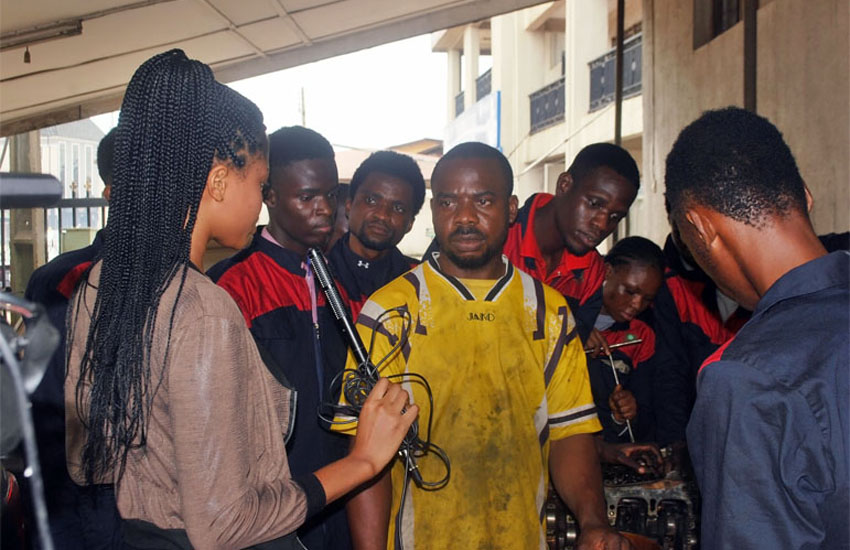
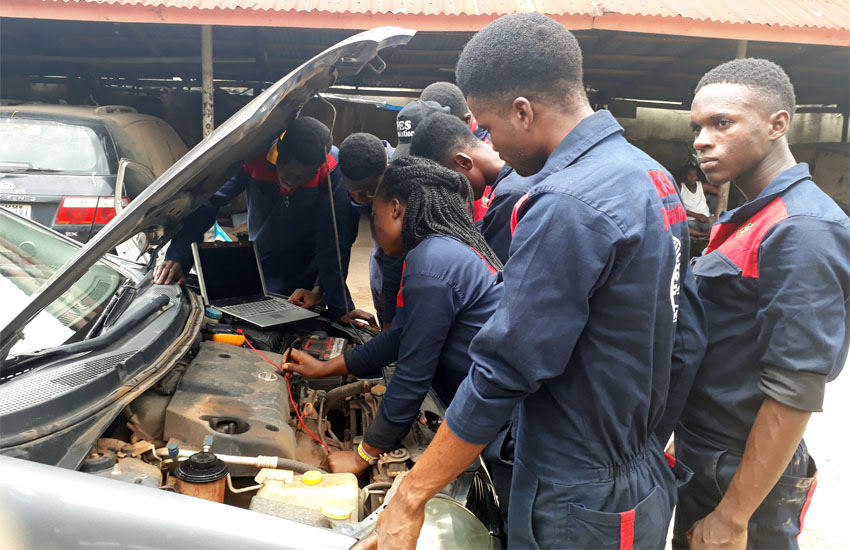
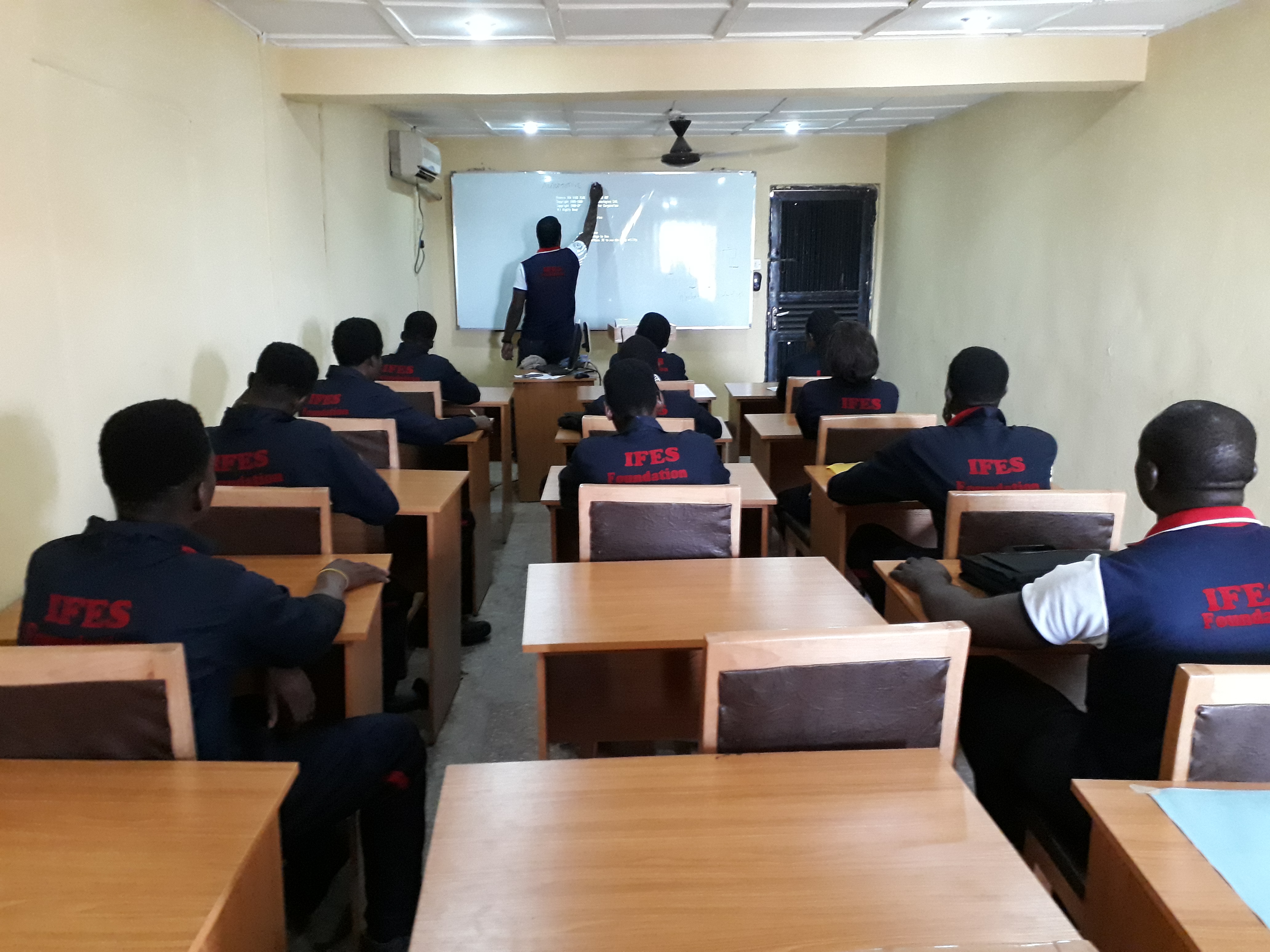
Training takes place at the Foundation’s head office in Benin City, Edo State, through classroom lectures, class tests and practical sessions in the workshop. The Foundation’s photographic records show trainees in IFES overalls running computer diagnostics on vehicle engines, testing batteries with multimeters, examining gearboxes and working with instructors at the vehicle inspection pit, alongside classroom lectures and written tests.
The Foundation delivered automotive engineering training with the Edo State Government’s EdoJobs initiative, in the Edo South region. The programme information published at the time stated that participants would receive starter packs of workplace safety gear and operational tools, and listed comprehensive automotive training, NABTEB certification, internship and job placement, and entrepreneurship opportunities among its benefits.
The records also document:
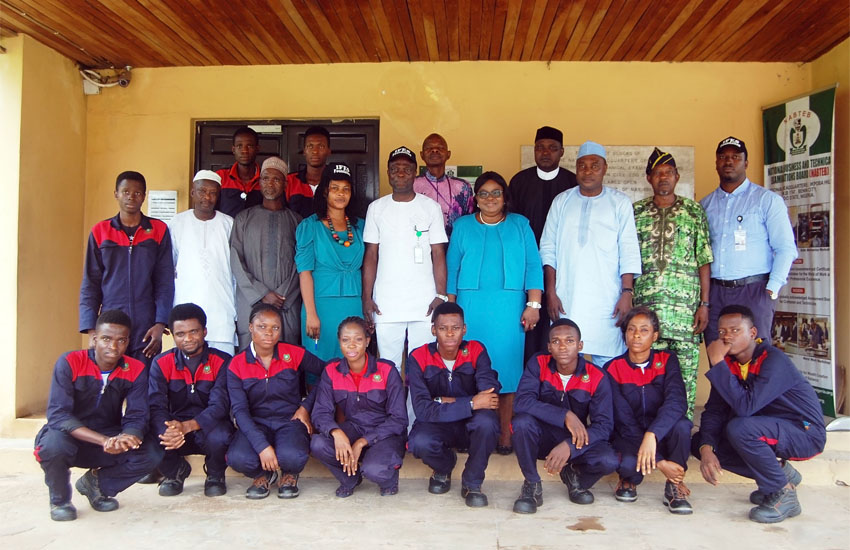
- two courtesy visits to NABTEB (National Business and Technical Examinations Board);
- visits by the programme’s patron to the trainees, including the Batch 1 trainees; and
- a visit to Government House by Batch A trainees.
Training delivered
The programme offers five courses. Each runs for two months, part-time at weekends, and combines classroom and workshop sessions.
| Course | Focus |
|---|---|
| Automotive Technology | Diagnosing and repairing different makes of vehicle, from shop safety and preventive maintenance to brakes, suspension, steering and wheel alignment. |
| Automotive Service Technician | Servicing and maintenance of all types and makes of car, combining classroom theory with a larger share of hands-on shop training. |
| Automotive Service Advisor | Customer relations, service coordination and professional communication for roles in dealerships, franchises and independent repair facilities. |
| Automotive Detailing | Vehicle care, cleaning techniques and professional finishing (dealer preparation), including a route to running a detailing business. |
| Transportation Operations and Dispatching | Preparation for operations, logistics and dispatch roles in the transport industry, using industry-standard software. |
| Duration | 2 months |
|---|---|
| Schedule | Part-time, at weekends (classroom and workshop sessions) |
| Entry requirements | Minimum SSCE; aged 18–38 |
| Cost | Free |
| Certificate | NABTEB certificate |
| Where | IFES Foundation head office, Benin City |
Beneficiary participation
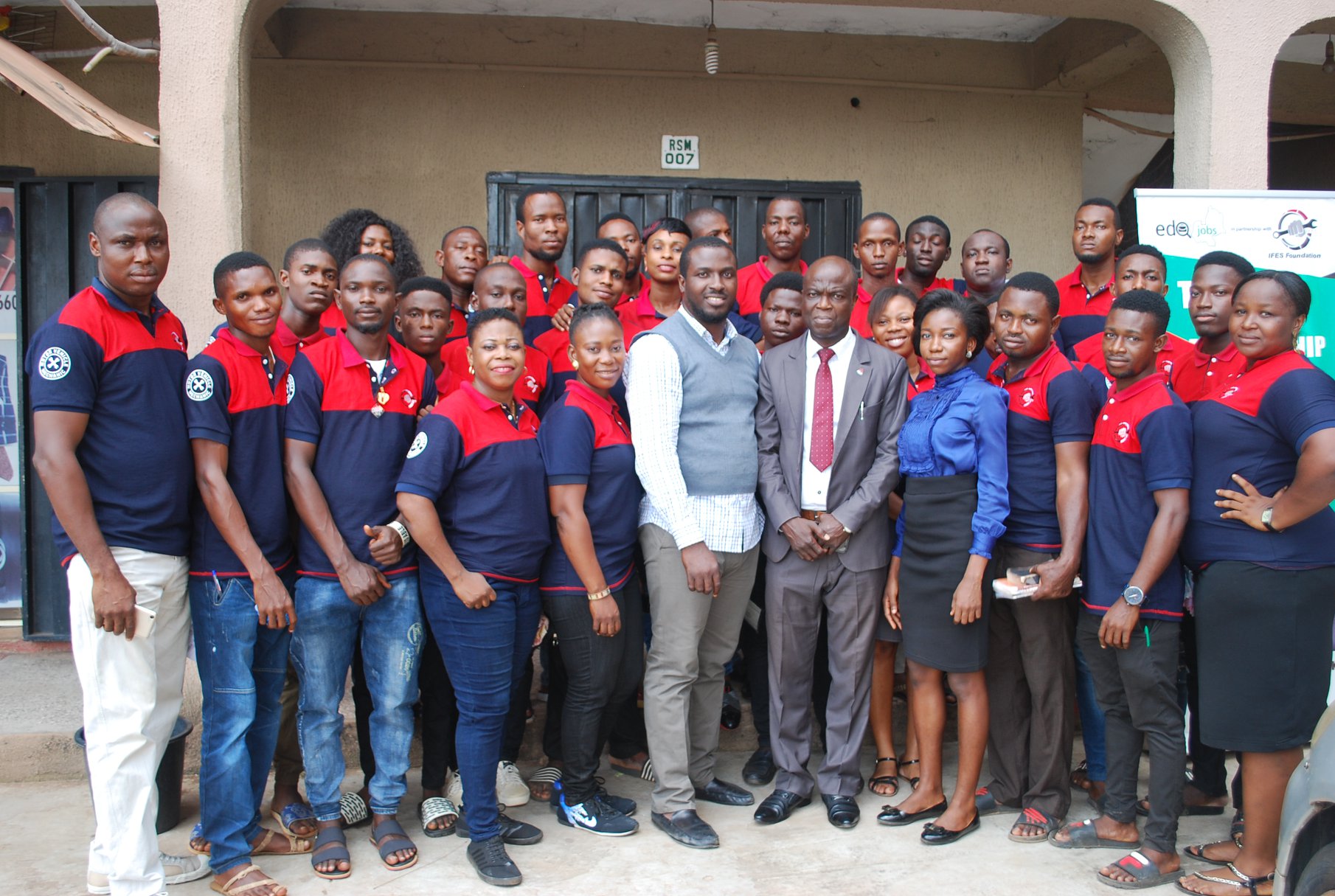
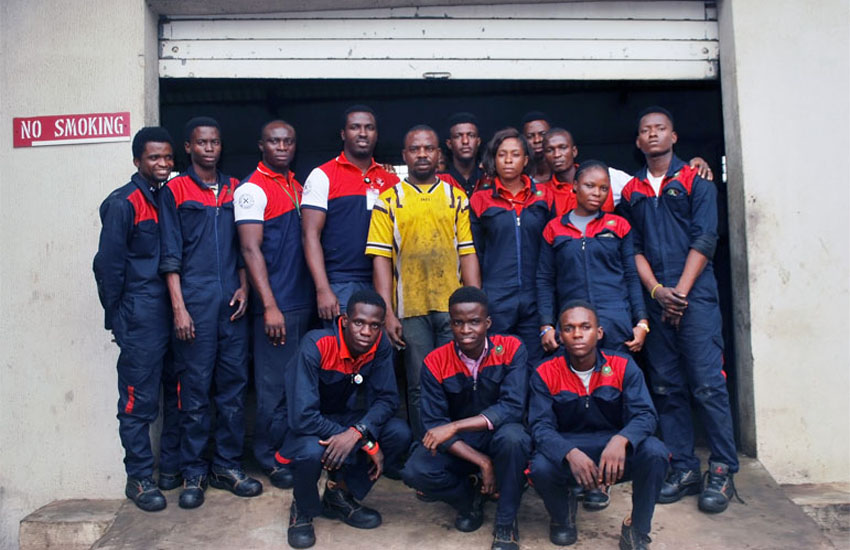
The programme is open, free of charge, to young people and adults aged 18 to 38 who hold at least the Senior School Certificate (SSCE). The Foundation’s records name its groups of trainees Batch A, Batch B (trainees of the EdoJobs initiative) and Batch 1. Group photographs of each batch, published with the trainees’ consent, are available in the Foundation’s photo galleries.
Verified figures for the number of trainees enrolled, completing and certified in each group are being compiled from the Foundation’s training records and will be added to this report when confirmed. No figures are given here until they can be verified.
Achievements and outcomes
Former trainees of four of the courses have shared, with their consent, what the training gave them:
- Automotive Service Technician: Chukwuma Emmanuel turned an interest in automobiles into practical technical skills, with exposure to vehicle maintenance, servicing and fault diagnosis.
- Automotive Technology: Joan Olive explored modern vehicle systems, gaining knowledge of automotive systems and diagnostics.
- Automotive Service Advisor: Imasuen John discovered a career pathway beyond the workshop, in customer relations, service coordination and professional communication.
- Automotive Detailing: Orobosa Theophilus developed vehicle care, cleaning and professional finishing skills, opening possibilities for a career or business in automotive care.
At programme level, the courses lead to a NABTEB certificate, and the programme built working relationships with NABTEB and with the Edo State Government’s EdoJobs initiative. Measured outcomes after training, such as certification, internship, employment and business start-up rates, have not yet been compiled and will be reported once verified.
Challenges encountered
The records reviewed for this report do not document the challenges met in delivering the programme. Programme management will add them, with the lessons learned, when the report is next updated.
Conclusion and recommendations
The Automotive Engineering and Technical-Vocational Training programme is the foundation on which IFES Foundation’s work was built. It offers free, practical and certified training, and it has worked alongside public partners. Its record is documented through photographs, partner visits and the voices of former trainees; what is still missing is consistent, verified data on participation and results.
The Foundation should:
- keep an enrolment, attendance, completion and certification register for every group of trainees;
- follow up trainees three to six months after training to record internships, employment and self-employment, with their consent;
- confirm and publish the dates of each group of trainees and of the EdoJobs partnership;
- record challenges and lessons learned at the end of each course; and
- publish an updated programme report each year.
About this report
This report was prepared in November 2026 from the Foundation’s own records: its course information and confirmed course details, the published programme information on the EdoJobs partnership, the founder’s biography, trainee stories shared with consent, and the Foundation’s photographic records of trainee groups and visits. Photographs are used with the consent of the people shown. Figures and dates that could not be verified are left out and will be added when confirmed.